Hyperpop: The New Outsider Art

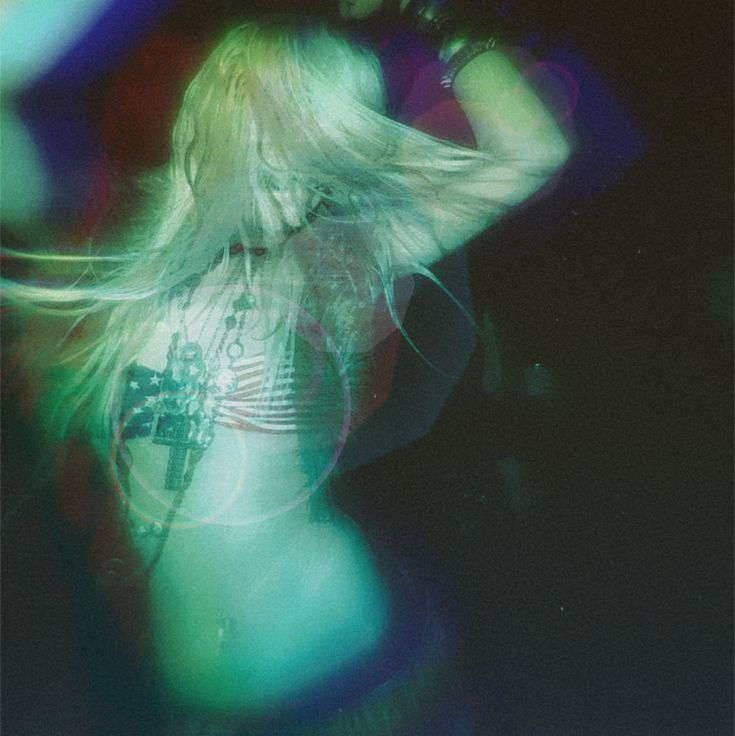
A particular stigma around the electronic dance music community has begun to emerge in recent years, specifically regarding a newly popularized subgenre of electronic music known as hyperpop. Hyperpop draws its inspiration mostly from 21st century pop music tropes (hence the name) with an emphasis on extravagant, articulate, and unique production value. It’s a relatively new musical phenomenon, yet it has already generated discourse regarding the necessity of palatable song structure. Numerous dynamic, noisy electronic albums that fall under the hyperpop umbrella have garnered mainstream acclaim in recent years, such as Charli XCX’s Brat and Ninajirachi’s I Love My Computer—which perhaps reflects a change in popular cultural values, although there are still plenty of music fans who erroneously label the entire genre shallow.
However, it’s important to remind oneself that, from conception, dance music has never strived to be universally accepted. Electronic dance music originates within African American culture, with disco popularizing the concept of dance music amongst a wide audience through nightclubs. Disco was conceptualized in the early 70s as a response to the stigma that surrounded dance music at the time. Nightclubs began as spaces for the wealthy to privately let loose, but these venues started to become a mass phenomenon post-WWII and started to appeal to younger audiences, garnering associations with drug culture and sexual promiscuity. By the 80s, disco-inspired sparkly synth pop dominated radio stations, headlined by African American artists such as Michael Jackson, Prince, and Whitney Houston, as well as divisive queer icons like Madonna and George Michael. 80s pop still holds influence over many popular current artists including Taylor Swift, Sabrina Carpenter, The Weeknd, Lady Gaga, the 1975, and Haim. Though its influence is undeniably widespread now, the motivations behind the creation of disco were not commercial-based.
Our understanding of hyperpop also stems from marginalized communities. It’s impossible to talk about the electronic music scene now without mentioning the single most influential producer of the 2010s, SOPHIE, who died tragically in early 2021. SOPHIE is now an easily recognizable name in mainstream culture, having collaborated with the likes of Madonna, Charli XCX, Kim Petras, and Vince Staples; yet at the beginning of her career, she catered to a fairly small audience which consisted mostly of queer people. SOPHIE herself was a trans woman, lending her insight into queer club culture that even the most relevant EDM artists at the time did not have. Her signature “bubblegum bass” sound appealed to a club scene that had become exhausted by the dominant self-serious, masculine tone EDM had undertaken through artists like Diplo and David Guetta. Bubblegum bass is defined by its exaggerated sense of cuteness and femininity, along with innovative sound design. The subgenre is known for its simultaneous interpolation of various types of music: combining exaggerated pop sensibilities with harsh, or alternatively bubbly electronic noise. Simplistic 80s pop hooks are given new life and sensuality through textured synth melodies. Drums are no longer analog; now they consist of knocking sine wave kicks clashing against distorted metallic snares. SOPHIE pioneered the sound, but artists like A.G. Cook, Hannah Diamond, Slayyyter, Charli XCX, 100 gecs, and Namasenda have kept the tradition alive.
All of this to say: dance music has never aimed to please a broad mainstream audience. It is certainly not a dying art; it has merely undergone a drastic formal shift in recent years. The prevalence of hyperpop is representative of the evolution and long withstanding relevance of dance music, a fundamentally progressive genre in which upholding community is prioritized over mass appeal or global sales. The abrasive tone dance music has currently adopted through hyperpop indicates a significant cultural shift: artists are more willing than ever to experiment with accepted standards of taste, and the desire for a completely new musical experience has begun to form within consumer audiences. At this point in time, amongst rapid and continuous technological innovations, the possibilities are endless. And with an increasing amount of government ordained media censorship, the more opportunities there are to craft safe artistic niches, the better. Hyperpop isn’t shallow escapism. Hyperpop indicates a brighter future and more room for diverse, unconventional artistic voices, which dance music has always sought to provide.
Written by: Avery Johnson
Uploaded/Edited by: Victoria De Notaris


Comments